Call Us
Climbing Mount Kilimanjaro is one of the most ambitious and rewarding challenges a traveler can undertake. At 5,895 meters (19,341 feet), Kilimanjaro is Africa's highest peak and one of the world's Seven Summits — yet it requires no technical climbing skills, making it accessible to fit and determined hikers of all backgrounds.
But here is the hard truth: the overall Kilimanjaro summit success rate varies dramatically depending on the route, the number of days, the operator, and the preparation of the climber. In this guide, we share expert advice from our mountain team at Serengeti Wild Tours Kilimanjaro Trekking Tours to help you reach Uhuru Peak safely and successfully.
Overall, approximately 65–70% of climbers who attempt Kilimanjaro reach the summit. However, this figure varies significantly by route and number of days:
These figures make a compelling case for choosing longer routes with better acclimatization profiles. Read our detailed comparison in our guide to Kilimanjaro Routes.
The most common reason climbers fail to reach the summit is Acute Mountain Sickness (AMS), caused by rapid ascent to high altitude. Your body needs time to produce more red blood cells and adapt to lower oxygen levels. Proper acclimatization is not a luxury — it is the most critical factor in your summit success.
Route selection is arguably the single most impactful decision you will make for your Kilimanjaro climb. The Machame Route (7 days) and Lemosho Route (8 days) consistently deliver the highest summit success rates and offer the most scenic and varied terrain.
The Lemosho Route, in particular, is widely regarded as the best all-round Kilimanjaro route — it begins in pristine rainforest, crosses the stunning Shira Plateau, and approaches the summit via the dramatic Southern Circuit with multiple acclimatization opportunities. Our Kilimanjaro Trekking Tours feature both routes with fully supported team structures for maximum safety and success.
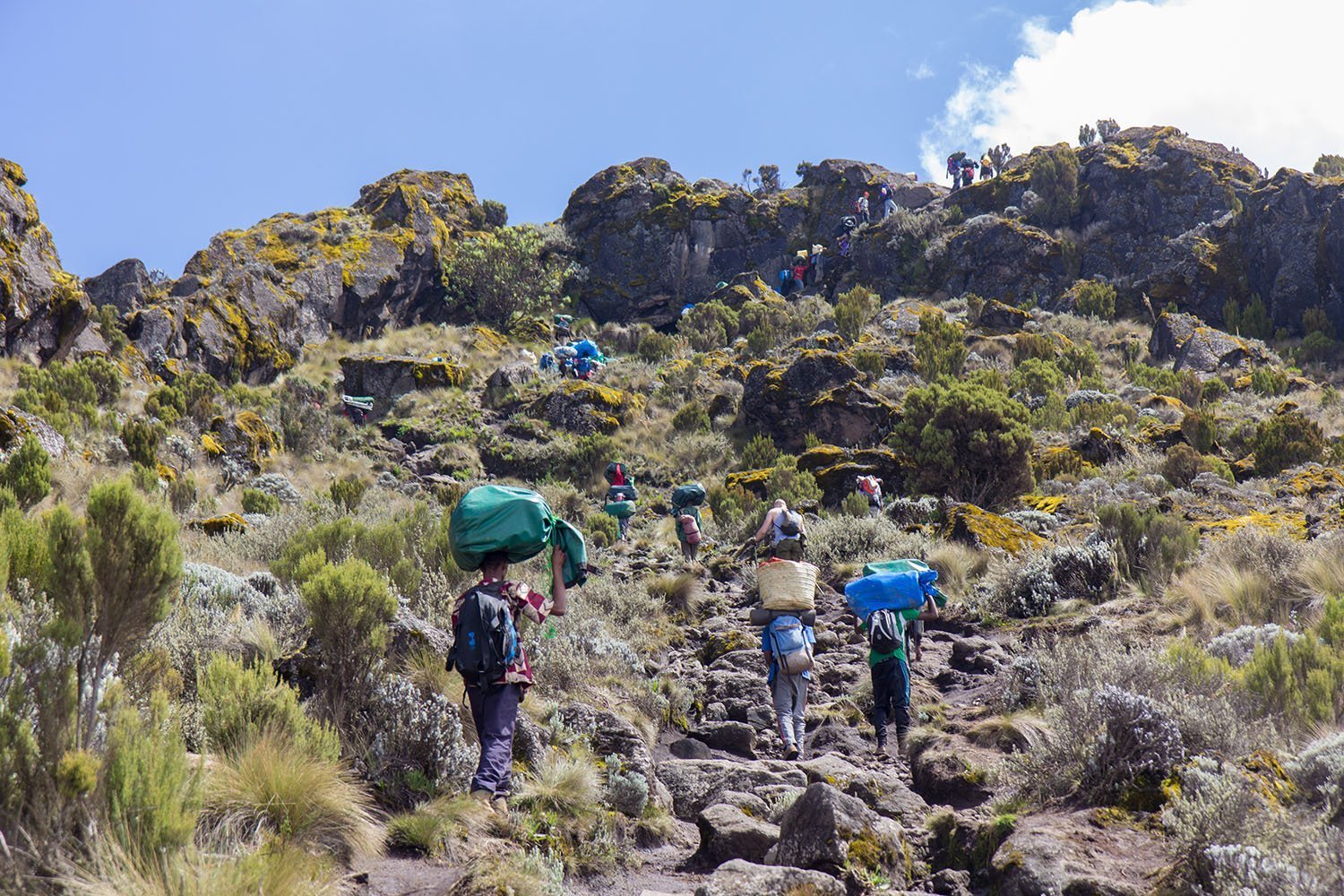
Kilimanjaro is a physically demanding trek lasting six to nine days. You will carry a daypack and trek for six to nine hours per day across diverse terrain including rainforest, moorland, alpine desert, and glacial summit approaches. Physical preparation is essential.
We strongly recommend beginning a dedicated training program at least 8 to 12 weeks before your climb. Our comprehensive guide to Kilimanjaro Training & Preparation covers everything you need to know, from cardiovascular endurance training to strength work and mental preparation.
Arriving on the mountain with inadequate gear is a common cause of climber distress and, in some cases, forced descent. Temperatures on Kilimanjaro range from warm tropical conditions in the rainforest to well below -20°C (-4°F) at the summit. A proper layering system, quality sleeping bag, and waterproof outer shell are non-negotiable essentials.
Download our complete Kilimanjaro Packing List for a detailed item-by-item breakdown of everything you need to bring.
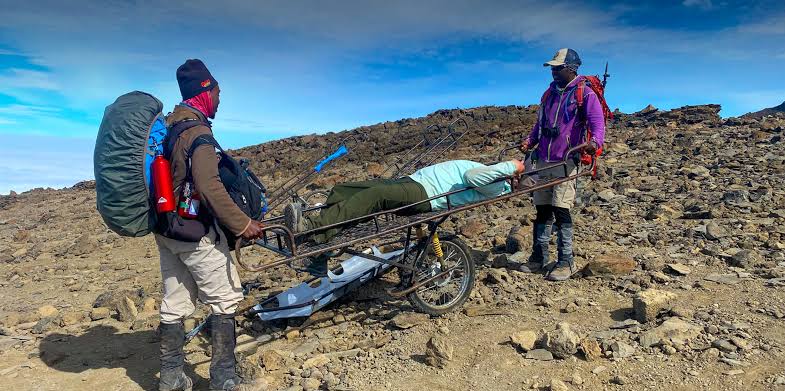
Your guide team is your greatest asset on Kilimanjaro. Experienced guides know when to slow the pace, when to recommend rest, and how to recognize early signs of serious altitude illness. They carry emergency oxygen and are trained in wilderness first aid. The quality of your guide, cook, and porter team directly impacts both your safety and your summit success rate.
At Serengeti Wild Tours, all our mountain guides are certified and carry extensive high-altitude experience. We maintain small guide-to-climber ratios and use only the highest-quality camping equipment and nutritious mountain meals.
Acetazolamide (Diamox) is a prescription medication commonly used to prevent and treat altitude sickness. It works by stimulating faster and deeper breathing, helping the body acclimatize more efficiently. Consult your doctor well in advance of your climb to discuss whether Diamox is appropriate for you.
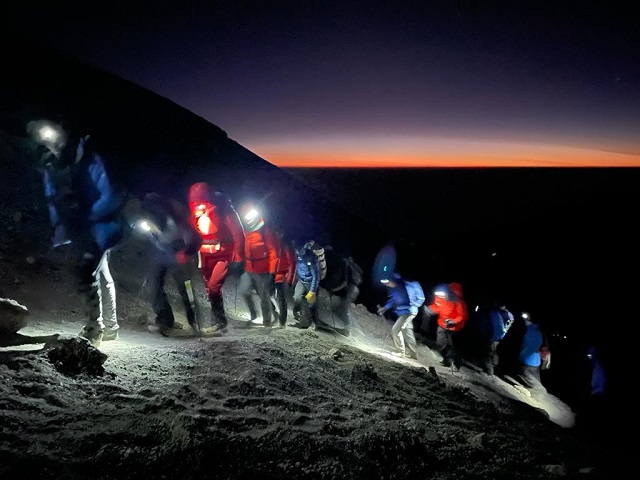
Summit night is the hardest night of your life — and also the most rewarding. You begin at midnight, climbing in freezing darkness for five to seven hours toward Stella Point and then Uhuru Peak. Fatigue, cold, and altitude combine to make this a genuine mental test. The climbers who reach the summit are overwhelmingly those who prepared mentally as well as physically.
Our guides offer constant encouragement, pace management, and experienced judgment on summit night. Trust your team, take it one step at a time, and focus on the extraordinary sunrise waiting for you at the top of Africa.
We would love to help you reach the summit of Africa's greatest mountain. Our Kilimanjaro Trekking Tours are designed with acclimatization, safety, and summit success as our primary goals. Contact us today to start planning your climb and take the first step toward Uhuru Peak.
Let us help you plan a safari or climb that feels effortless, authentic, and unforgettable.
Call Us
Email Us
Copyright © Serengeti Wild Tours | All Rights Reserved
