Call Us

Climbing Mount Kilimanjaro — Africa's highest peak at 5,895 meters — is the most significant physical challenge most travelers will ever undertake. While Kilimanjaro requires no technical climbing skills or specialist equipment, it demands six to nine days of sustained trekking across terrain that rises from tropical rainforest to freezing arctic summit, with the very real physiological challenge of high altitude compounding everything else.
The difference between a traveler who reaches Uhuru Peak and one who turns back below Stella Point is, in most cases, preparation. Physical fitness, altitude awareness, mental resilience, and the right gear all play critical roles. This complete Kilimanjaro training guide from the mountain team at Serengeti Wild Tours gives you everything you need to arrive ready.
This is the question every prospective climber asks — and the honest answer is: harder than most people expect, but achievable by anyone who prepares properly.
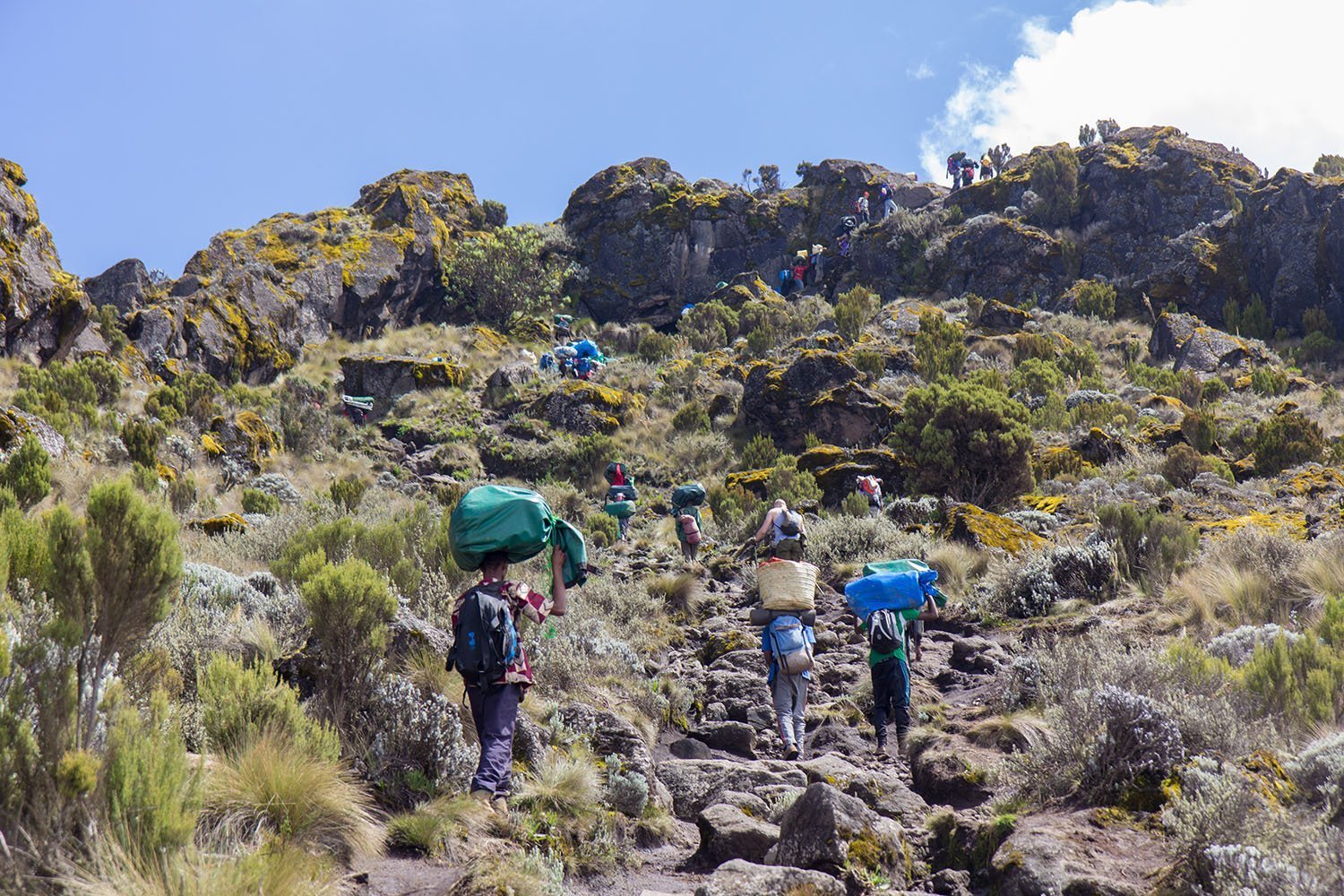
Kilimanjaro is not a technical mountain. You will never need a rope, harness, ice axe, or crampon. Every step from the rainforest gate to Uhuru Peak is a walk — there are no sections requiring climbing technique. However, you will trek for six to nine hours per day across demanding terrain, carrying a daypack of 5–8 kg, at progressively higher altitudes where the available oxygen is significantly reduced.
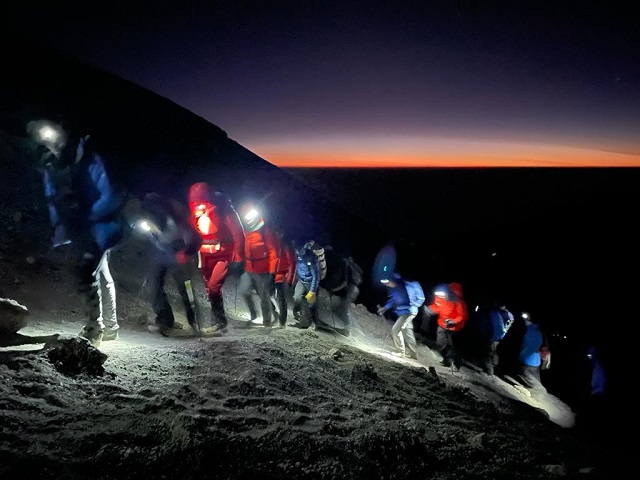
The summit approach on night six or seven begins at midnight and involves five to seven hours of ascent in temperatures that can drop to -25°C, with altitude typically producing headaches, nausea, and fatigue. Mental strength and physical conditioning are what get you through summit night.
The climbers who struggle — or turn back — are overwhelmingly those who underestimated the challenge and underprepared. The climbers who succeed are those who trained systematically, chose the right route, and arrived on the mountain with realistic expectations and genuine physical readiness. For more on maximizing your summit chances, read our Kilimanjaro Summit Success Rate Guide.
We recommend beginning your dedicated Kilimanjaro training program at least 12 weeks (three months) before your climb. This allows sufficient time to build cardiovascular base fitness, develop hiking-specific leg and core strength, break in your boots thoroughly, and make meaningful physical adaptations without overtraining.
If you are currently sedentary or have not exercised regularly in months, begin 16 weeks out with a more gradual build. If you are already an active hiker or runner with a strong cardiovascular base, 8–10 weeks of specific Kilimanjaro preparation may be sufficient.
The goal of the first four weeks is to establish a consistent exercise routine and build basic cardiovascular endurance. If you are new to regular exercise, this phase focuses on making consistent activity a habit before introducing intensity.
Cardiovascular training (4–5 days per week):
Strength training (2–3 days per week):
Rest and recovery: 1–2 rest days per week are essential. Overtraining is a real risk and sets preparation back significantly. Sleep is where your body adapts — prioritise 7–8 hours per night.
Phase two increases training volume and introduces hiking-specific training with a loaded backpack — the single most effective preparation for Kilimanjaro trekking days.
Cardiovascular training:
Backpack training:
Strength training:
The final four weeks of training push endurance to its peak, simulate Kilimanjaro day lengths, and shift focus toward mental preparation and final gear testing.
Cardiovascular and hiking training:
Taper week (Week 12):
The ability to sustain aerobic exercise for 6–9 hours per day is the foundational fitness requirement for Kilimanjaro. Your heart and lungs need to be able to deliver oxygen efficiently to working muscles over very long periods — the kind of sustained, moderate-intensity effort that hiking demands.
The best cardiovascular training for Kilimanjaro is hiking itself, particularly uphill hiking with a loaded pack. Running, cycling, and swimming are all excellent secondary options for building aerobic capacity, but nothing specifically prepares you for Kilimanjaro like spending hours walking uphill in hiking boots.
Strong quadriceps, hamstrings, glutes, and calves are essential for handling the long daily ascents and — particularly — the long descents, which place enormous cumulative load on your knees. Many climbers who are strong on the ascent find their knees and thighs failing badly on the steep descent from Barafu after the summit — a result of undertrained leg strength rather than cardiovascular weakness.
Squats, lunges, step-ups, and deadlifts are the core exercises. Build these progressively over your 12-week programme.
A strong core — the muscles of your abdomen, lower back, and hips — stabilises your body under a loaded pack, reduces the risk of back injury, and improves balance on uneven terrain. Planks, bird-dogs, and side planks are the most effective core exercises for hiking preparation.
Altitude is the primary challenge that distinguishes Kilimanjaro from other long-distance treks. The summit at 5,895 meters has approximately 50% of the oxygen available at sea level — your body must work significantly harder to deliver oxygen to muscles and brain.
The most impactful altitude preparation decision you can make is choosing a route that maximizes acclimatization time. The Machame (7 days) and Lemosho (8 days) routes are designed with "climb high, sleep low" profiles that dramatically improve altitude adaptation compared to shorter routes. Our Kilimanjaro Route Guide compares all seven routes in detail.
On the mountain, the most important acclimatization strategy is moving at the right pace. Pole pole (slowly slowly in Swahili) is the guiding principle of Kilimanjaro, and your guide's pace is specifically calibrated for altitude management. Do not push ahead of the group or try to hike faster than instructed. The guides who have spent years on this mountain know exactly how fast to move — trust them completely.
Dehydration significantly worsens altitude sickness symptoms. Drink 3–4 liters of water or electrolyte fluid every day on the mountain, even when you do not feel thirsty. At altitude, the sensation of thirst is often suppressed while the body's water requirement is actually increased. Pre-hydrating well in the days before the climb is also highly beneficial.
Acetazolamide (Diamox) is a prescription medication that accelerates breathing and improves oxygen uptake, helping the body acclimatize faster. It is commonly used by Kilimanjaro climbers and can meaningfully improve summit success rates when used appropriately. Consult your doctor or a travel medicine specialist at least 4–6 weeks before your climb. Our detailed Altitude Sickness Guide covers Diamox and all aspects of AMS prevention and management.
Climbing Mount Meru (4,562m) in Arusha National Park before your Kilimanjaro attempt provides excellent pre-acclimatization to altitude. Spending 3–4 days on Meru at elevations between 2,500m and 4,562m meaningfully prepares your body for Kilimanjaro's higher altitudes. Read our Mount Meru Climbing Guide for full details on this outstanding acclimatization option.
Every experienced Kilimanjaro guide will tell you the same thing: mental strength is as important as physical fitness on summit night. The combination of cold, fatigue, darkness, altitude, and the psychological weight of hours of slow progress in the dark creates a genuine mental challenge that no amount of physical training fully prepares you for.
Focus on balanced, nutritious eating to support your training. Adequate protein (for muscle repair and development), complex carbohydrates (for sustained energy during long training sessions), and healthy fats (for joint health and energy reserves) should all be represented. Avoid crash dieting — arriving on the mountain in a caloric deficit significantly impairs physical and altitude performance.
Increase carbohydrate intake in the final week — this tops up your glycogen stores (the body's primary fuel for sustained aerobic exercise) ahead of the climb. Stay very well hydrated. Reduce alcohol consumption, which impairs sleep quality and recovery. Get to bed early.
Appetite commonly decreases at altitude — this is a normal altitude response, not a sign of illness. Eat anyway. Your body needs calories for trekking, warmth generation, and acclimatization, even when your appetite says otherwise. Our mountain cooks prepare nutritious, high-energy meals throughout the climb. Supplement with your personal trail snacks during the day. Drink consistently throughout every trekking day.
Your summit of Kilimanjaro begins with this preparation guide. Our team at Serengeti Wild Tours will support you every step of the way — from pre-departure advice to daily guide care on the mountain. We offer fully supported climbs on all major routes with experienced certified guides, emergency oxygen, daily health monitoring, and everything you need for a safe and successful summit.
Contact us today to begin planning your Kilimanjaro adventure. Explore our Kilimanjaro Trekking Tours, compare routes in our Route Guide, and prepare your gear with our complete Packing List. Uhuru Peak is waiting — and with the right preparation, you will reach it.
Let us help you plan a safari or climb that feels effortless, authentic, and unforgettable.
Call Us
Email Us
Copyright © Serengeti Wild Tours | All Rights Reserved
