Call Us
The dry season offers the most balanced and reliable conditions for an exceptional travel experience. With little to no rainfall, the weather remains stable, skies are bright, and landscapes are easy to explore. These conditions are perfect for game drives, walking safaris, hiking, and other outdoor activities that depend on good visibility and safe terrain.
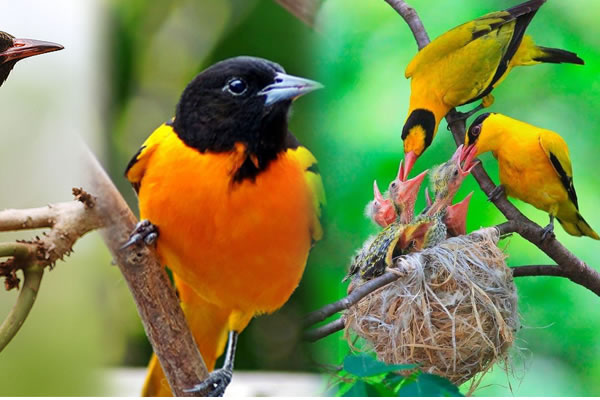
The green season is ideal for travelers who want more for less while enjoying a different side of nature. The landscape is at its most colorful, offering fresh greenery and excellent photographic opportunities. Wildlife viewing is still rewarding, with active animals and the chance to see young wildlife
| Months | Conditions & Highlights |
|---|---|
| Jan–Mar | Green season; great for birding. Late Jan–Feb: Wildebeest calving in Southern Serengeti/Ndutu (predator action). |
| Apr–May | Long rains. Quiet parks, lower prices; some lodges close. Still possible with 4x4—expect showers and muddy roads. |
| Jun | Start of long dry season; wildlife congregates near water. Excellent visibility and comfort. |
| Jul–Aug | Peak safari months; classic game viewing across Northern Circuit. Possible Mara River crossings (Northern Serengeti). |
| Sep–Oct | Consistently superb sightings; dry conditions persist. Fewer crowds than Aug in many areas. |
| Nov–Dec | Short rains refresh the plains; vibrant colors, good value, migratory birds return. Early Dec can be a sweet spot. |
Tip: If your priority is the Great Migration river crossings, aim for late July–September in Northern Serengeti. For newborn calves and predators, late January–February around Ndutu is ideal.
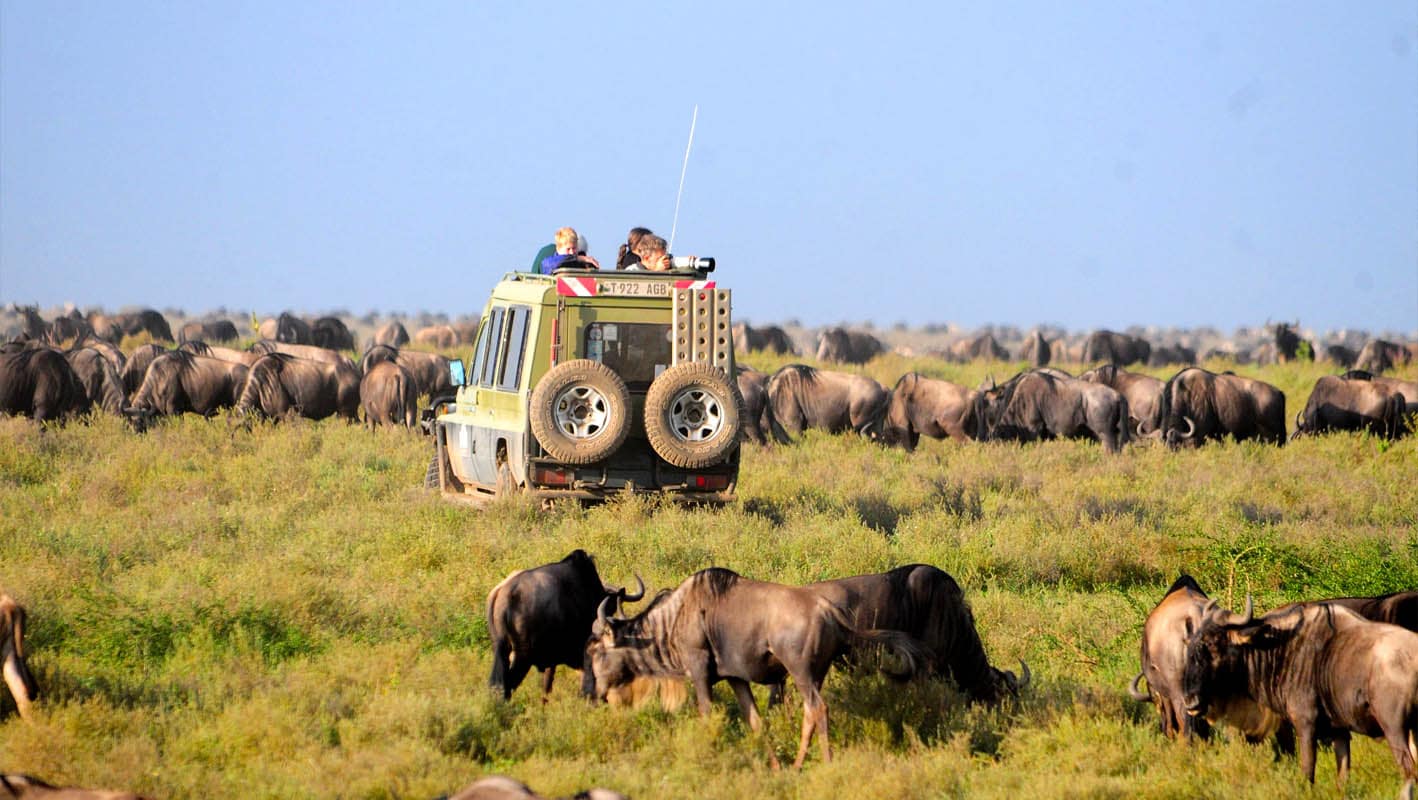
Serengeti & Migration
Calving:Late Jan–Feb (Ndutu/South)Grumeti:May–Jun (Western Corridor)Crossings:Jul–Sep (North/Mara River)
Ngorongoro Crater
Excellent year-round; mornings can be chilly. Avoid peak midday crowds if possible—early entry recommended.
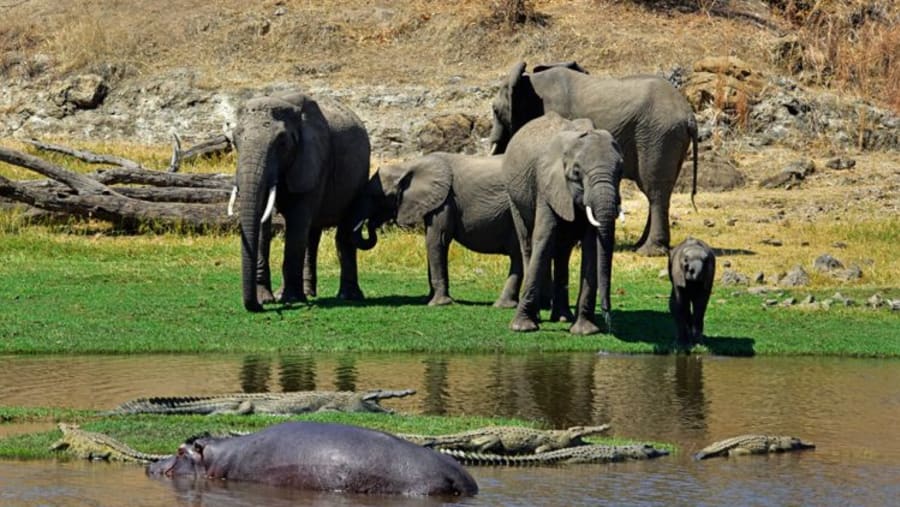
Tarangire (Elephants & Baobabs)
Best Jul–Oct when animals cluster along the Tarangire River. Green season offers birds and gorgeous scenery.
Photographers & Birders
Nov–Mar (green season) for raptors, migrants, and dramatic skies; fewer vehicles in frame.
Most travelers should choose June–October for consistently dry conditions and concentrated wildlife action. If you love vibrant landscapes, birds, and fewer crowds (and don’t mind occasional showers), the green season (Nov–Mar) is fantastic value. For the Great Migration’s most dramatic moments, time your trip to Ndutu (late Jan–Feb) or Northern Serengeti (Jul–Sep).
Let us help you plan a safari or climb that feels effortless, authentic, and unforgettable.
Call Us
Email Us
Copyright © Serengeti Wild Tours | All Rights Reserved
