Call Us
Planning a safari to the Serengeti is one of the most exciting decisions a traveler can make. But knowing the best time to visit Serengeti National Park can transform a great safari into a truly extraordinary one. The Serengeti is a year-round destination, but each season offers a completely different experience — from dramatic river crossings to intimate predator encounters and lush green landscapes.
This month-by-month guide will help you understand exactly what to expect during every season so you can plan the perfect safari with Serengeti Wild Tours.
The Serengeti ecosystem spans approximately 30,000 square kilometers of open savannah, woodland, and riverine forest. Its wildlife — including lions, elephants, leopards, cheetahs, and over 500 species of birds — is present year-round. However, animal behavior, vegetation density, weather, and crowd levels change significantly depending on the month you visit.
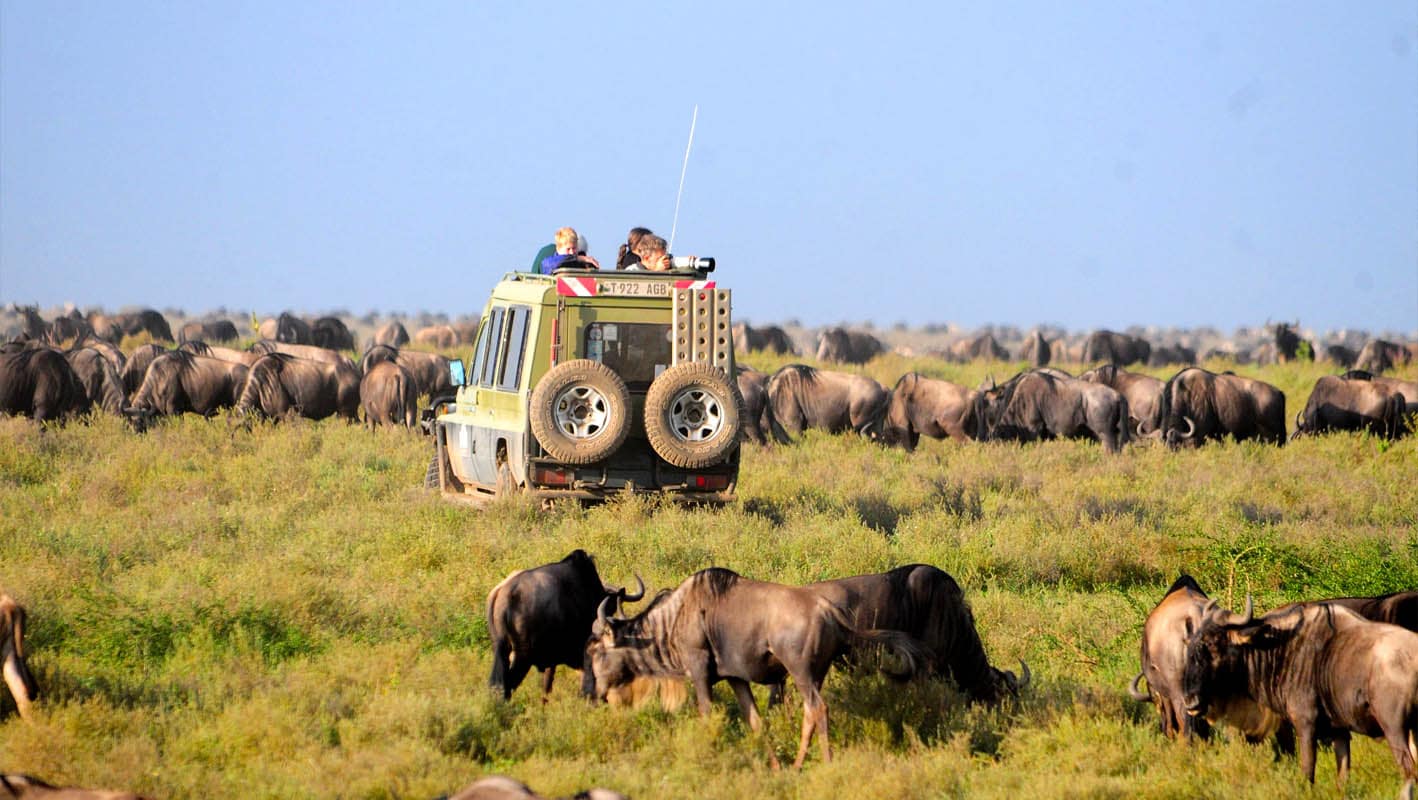
The most famous natural event in the Serengeti is the Great Wildebeest Migration, where over two million wildebeest, zebras, and gazelles follow a circular route across the ecosystem in search of fresh grass. Understanding the migration calendar is central to choosing your ideal travel dates. For a deeper look at this phenomenon, read our guide to the Great Migration Experience.
January is one of the most magical months to visit the Serengeti. The herds have migrated south to the Ndutu area and the Southern Serengeti plains, where the grass is lush and nutritious — perfect for giving birth. Around 500,000 wildebeest calves are born in January and February, making this the calving season.
The presence of tens of thousands of newborn calves attracts an extraordinary concentration of predators — lions, cheetahs, leopards, hyenas, and wild dogs. January is considered one of the best months for dramatic wildlife action, particularly predator-prey encounters. Visibility is excellent across the open plains.
Highlights: Calving season, predator activity, short rains ending, uncrowded game drives
Weather: Warm and pleasant, occasional light showers
Best area: Southern Serengeti, Ndutu Conservation Area
February is widely regarded as one of the best months to visit the Serengeti for wildlife photography and calving season drama. The skies are often clear, the plains are green, and predator activity is at its peak. Lions, cheetahs, and leopards have easy hunting opportunities, and sightings are frequent and extraordinary.
February also coincides with lower crowd levels compared to the July–September peak season, making it an ideal month for travelers who want excellent game viewing with more privacy. This is an especially popular time for our Photographic Safari Experience.
Highlights: Best calving, stunning photography, fewer crowds, excellent light
Weather: Warm, generally dry, some light rain possible
Best area: Ndutu, Southern Serengeti
March marks the transition from the short dry spell to the long rains. Early March still offers excellent game viewing similar to February, but as the month progresses, showers become more frequent. The herds begin their northward journey, and the landscape transforms from yellow to a vibrant green.
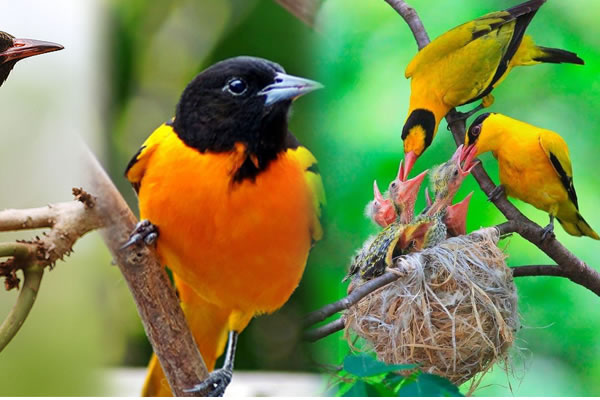
March is excellent for birdwatching, with many migratory species arriving and resident birds displaying breeding plumage. It is also a good value month, with softer lodge rates and fewer vehicles in the parks.
Highlights: Transitional wildlife action, superb birding, good value
Weather: Increasing rainfall toward the end of the month
Best area: Central Serengeti, beginning the northward migration route
April and May bring the long rains to the Serengeti. Heavy afternoon showers are common, and some roads become muddy and challenging. Many lodges offer significant discounts during these months, making it the best time for budget-conscious travelers. Our Tanzania Budget Safari packages during the green season offer incredible value.
Despite the rain, the Serengeti is stunningly beautiful during this period — dramatic skies, rainbows over golden plains, and landscapes full of color. Wildlife is still abundant, and you will often have sightings entirely to yourself. The herds are moving through the central Serengeti toward the north.
Highlights: Dramatic scenery, low crowds, excellent photography light, affordable rates
Weather: Frequent rains, lush green vegetation
Best area: Central Serengeti
June marks the start of the long dry season, one of the most popular periods to visit the Serengeti. The rains stop, the vegetation dries out, and animals begin gathering near permanent water sources — making wildlife viewing easier and more predictable. The wildebeest herds are now moving north through the central and western Serengeti.
Game drives in June offer excellent sightings of the Big Five. Lions, in particular, are highly visible as the short grass makes them easy to spot. If you are interested in exploring the wider region, our Tanzania Lodge Safari packages combine Serengeti with Ngorongoro Crater and Tarangire for a complete Northern Circuit experience.
Highlights: Dry season begins, great predator sightings, migration in western corridor
Weather: Dry, cool mornings, warm afternoons
Best area: Western Serengeti, Central Serengeti
July and August are the peak safari months in the Serengeti. This is when the famous Mara River crossings occur in the Northern Serengeti. Massive columns of wildebeest and zebras hurl themselves across crocodile-filled rivers in one of natures most breathtaking spectacles. Witnessing a river crossing is a bucket-list experience that defines Serengeti safaris.
Demand for accommodation and guide services is at its highest during these months, and prices reflect that. Booking well in advance — ideally six to twelve months ahead — is strongly recommended. For an exclusive experience, consider our private Serengeti Wildebeest Migration safari, designed for travelers seeking intimacy and flexibility.
Despite the crowds, the game viewing is world-class. Big cat sightings are exceptional, and the sheer scale of the wildebeest herds is awe-inspiring. This is also a wonderful time for our Balloon Safari Experience, with clear skies offering spectacular aerial views over the migration herds.
Highlights: Mara River crossings, peak wildlife, hot air balloon safaris
Weather: Dry, cool nights, warm days
Best area: Northern Serengeti, Mara River
September and October continue to deliver exceptional safari experiences. The Mara River crossings are still occurring, and the Northern Serengeti remains the focal point for wildlife activity. Herds gradually begin moving south again, and the landscape takes on a warm, golden glow.
October is when the short rains begin, bringing the first green flush to the landscape. Crowd levels drop compared to July–August, making this a sweet spot for travelers who want peak-season wildlife action without the peak-season pressure. For photography enthusiasts, October light is particularly beautiful — warm tones, dramatic clouds, and vibrant post-rain greenery. Our Photographic Safari Experience is ideal for this time of year.
Highlights: Continued river crossings, stunning October light, fewer crowds than July–August
Weather: Dry turning slightly wetter in October
Best area: Northern Serengeti
November brings the short rains, which are typically lighter and less persistent than the long rains. The plains turn green, birdlife explodes, and the wildebeest herds begin their return journey south toward Ndutu. The Serengeti in November and December has a special quality — soft light, emerald plains, and a sense of renewal.
December is also a popular time for families and honeymooners, with many people combining a Serengeti safari with a Zanzibar beach holiday to create the perfect end-of-year trip. Our Tanzania Honeymoon Safari and Beach & Safari Experience are particularly popular over the festive season.
Highlights: Beautiful green landscape, returning herds, festive season, beach combinations
Weather: Light rains, warm temperatures
Best area: Southern Serengeti, Ndutu plains
For the Great Migration River Crossings: July to October (Northern Serengeti)
For the Calving Season: Late January to February (Ndutu, Southern Serengeti)
For Best Weather and Wildlife: June to October
For Photography: February, June, and October
For Value and Green Scenery: April, May, and November
For Family Holidays: June to October, December
For Honeymoon Experiences: February, July to October
No matter what month you choose to visit, the Serengeti will exceed your expectations. Our locally owned and operated team has deep knowledge of the park across every season and will help you identify the perfect timing for your interests, budget, and travel style. Explore our range of Tanzania Lodge Safaris or discover the full Wildlife Safari Experience we offer. Contact us today to start planning your dream Serengeti adventure.
Let us help you plan a safari or climb that feels effortless, authentic, and unforgettable.
Call Us
Email Us
Copyright © Serengeti Wild Tours | All Rights Reserved
