Call Us

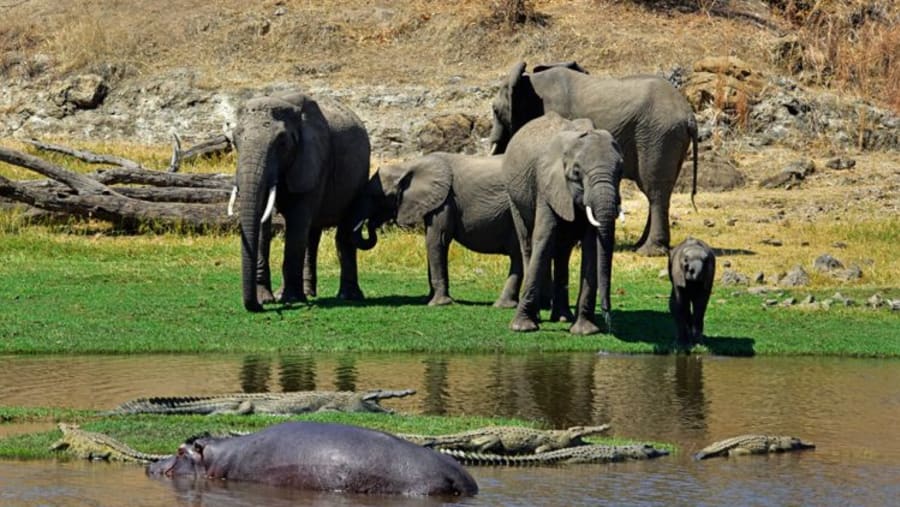
Lake Manyara National Park is one of Tanzania's most compact, diverse, and underappreciated safari destinations. Nestled between the dramatic escarpment of the East African Rift Valley and the shores of its soda lake, Manyara packs an extraordinary variety of habitats — groundwater forest, acacia woodland, open floodplains, and lakeshore — into a relatively small area that delivers surprisingly rich wildlife encounters.
Most famously, Lake Manyara is home to Tanzania's celebrated tree-climbing lions, a rare behavior documented in only a handful of locations worldwide. Combine this with flamingo-lined lakeshore, enormous elephant herds, and over 400 bird species, and you have one of Africa's great safari surprises.
Lake Manyara features regularly in our Tanzania Lodge Safari Northern Circuit itineraries and is an excellent addition to any Tanzania safari plan.
Lake Manyara's tree-climbing lions are among the most photographed and discussed wildlife behavior anomalies in Africa. While lions across Africa occasionally climb trees, the Manyara lions do so with unusual frequency and skill — and the exact reason remains a subject of scientific debate.
Theories include avoiding ground-level insects and tsetse flies, escaping the heat and enjoying cooling breezes at height, and simply a learned behavior passed down through generations of Manyara prides. Whatever the reason, encountering a lion draped across the branches of a large fig tree six meters above the ground is a genuinely extraordinary and memorable sight.
The tree-climbing behavior is most reliably observed in the groundwater forest zone near the park entrance and along the floodplain margins. Our guides know the most reliable locations and the current pride territories.
Lake Manyara's alkaline waters periodically attract enormous concentrations of both lesser and greater flamingos — up to several hundred thousand birds at peak times. The sight of a flamingo-pink shoreline stretching toward the Rift Valley escarpment is visually extraordinary and one of Lake Manyara's defining photographic subjects.
Flamingo numbers fluctuate seasonally and year to year depending on water conditions and algae blooms. Our guides will always position you for the best lakeshore flamingo views on your game drive.
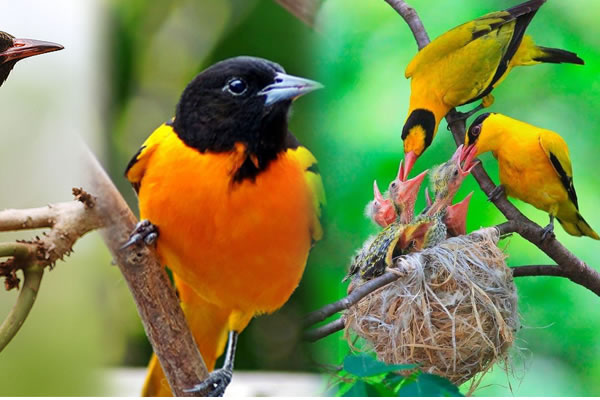
With over 400 bird species recorded, Lake Manyara is a world-class birding destination. Highlights include the African fish eagle, saddle-billed stork, goliath heron, malachite kingfisher, and numerous species of weaver, sunbird, and raptor. The forest zone supports a distinctive birdlife community separate from the lakeshore species, making a single Manyara game drive remarkably diverse for birders.
Lake Manyara is one of the few parks in the Northern Circuit where night game drives are permitted on private conservancy land adjacent to the park. Night drives reveal the park's nocturnal residents — genets, civets, bush babies, owls, and occasionally leopards hunting in the darkness. Our Walking Safari Experience is also available on private land near Manyara and is an excellent complement to the standard game drive.
Lake Manyara is an excellent year-round destination. The dry season (June–October) offers the best wildlife concentration and clearest skies. The wet season (November–April) brings spectacular birdlife, lush vegetation, and the best flamingo concentrations as the lake levels rise with rainfall. Manyara is also excellent as a stopover park when combined with the broader Northern Circuit, typically visited at the beginning or end of a Serengeti-Ngorongoro safari.
Lake Manyara is most commonly combined with Tarangire, Ngorongoro, and the Serengeti on a Northern Circuit safari. It is located just 90 minutes from Arusha, making it a perfect first or last destination on a Tanzania safari. For a quick one-day taste of Northern Tanzania wildlife, our Tanzania Day Trips include a Lake Manyara excursion from Arusha.
Do not overlook Lake Manyara in your Tanzania safari planning. Its tree-climbing lions, flamingo-lined shores, and extraordinary biodiversity make it one of Africa's great compact safari experiences. Contact Serengeti Wild Tours today to include Lake Manyara in your Northern Circuit adventure and explore our full range of Wildlife Safari Experiences in Tanzania.
Let us help you plan a safari or climb that feels effortless, authentic, and unforgettable.
Call Us
Email Us
Copyright © Serengeti Wild Tours | All Rights Reserved
