
Call Us

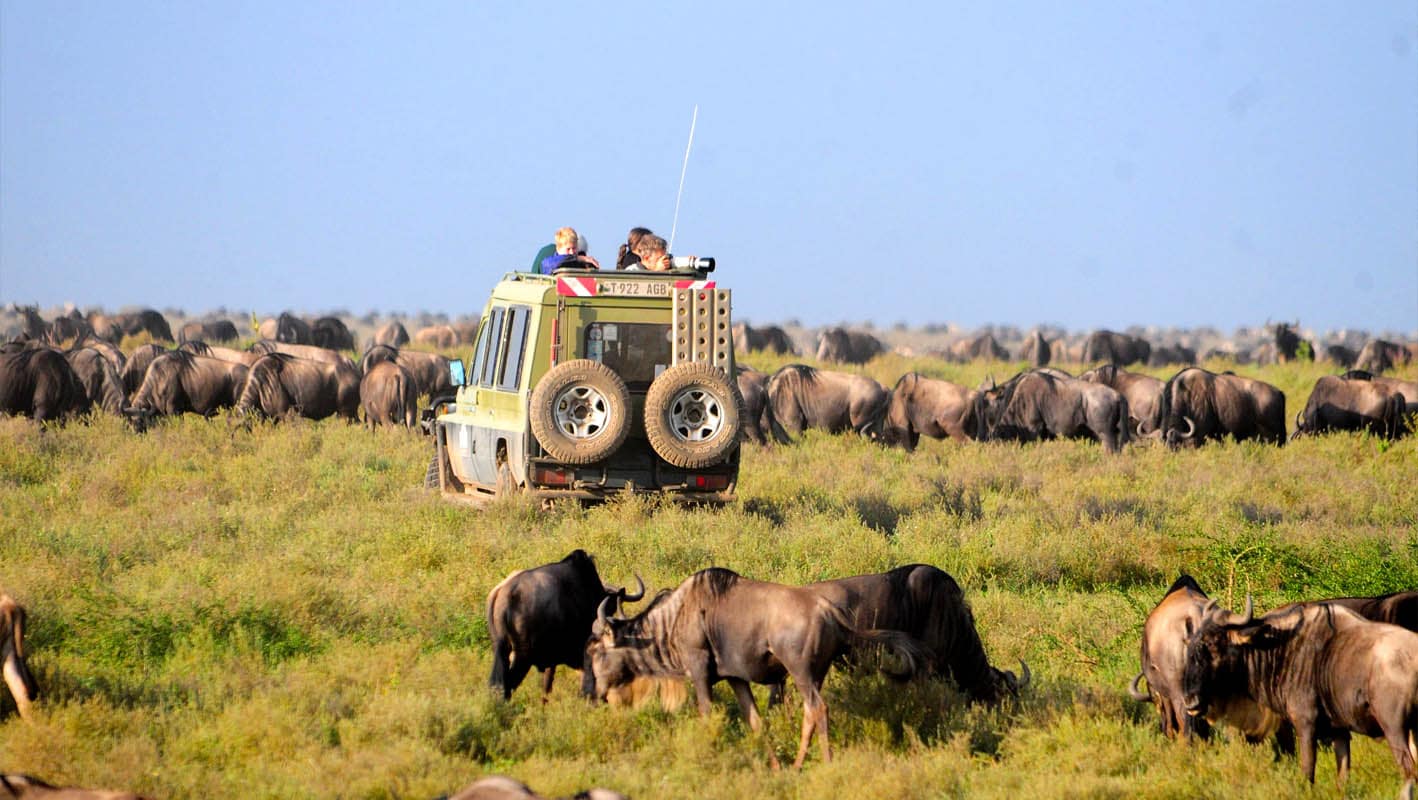
A walking safari in Tanzania is one of the most transformative experiences in African travel. Stepping out of the game drive vehicle and onto the African earth — feeling the soil beneath your feet, hearing the grass whisper, smelling the dry savannah air — shifts you from observer to participant in a way that no vehicle-based safari can replicate.
Walking in the African bush is a completely different sensory and emotional experience from a game drive. You move at the pace of a hunter, noticing animal tracks and dung, learning the calls of birds, reading the landscape for signs of hidden wildlife. It is both humbling and exhilarating. At Serengeti Wild Tours, our Walking Safari Experience is available in specific Tanzania locations where regulations permit this remarkable form of wildlife engagement.
Arusha National Park is one of the best walking safari destinations in Tanzania because it has no lions — meaning walking is permitted throughout the park with an armed ranger escort. Giraffes at close range, buffalo in the forest, colobus monkeys overhead, and beautiful Momella Lakes make Arusha an exceptional walking destination. Read our complete Arusha National Park guide for more details.
Several private conservancies bordering Serengeti National Park permit walking safaris with expert armed guides. These conservancies combine the wildlife of the greater Serengeti ecosystem with the freedom of foot-level exploration. Walking in an area where lions, elephants, and buffalo are regularly encountered creates a genuinely thrilling experience.
Tanzania's southern parks are the gold standard for walking safaris in East Africa. Ruaha and the Selous offer vast, remote wilderness with a genuine frontier feel. Expert licensed walking safari guides in these areas carry extensive experience and provide profound insight into the bush ecosystem. These are typically combined with luxury camp stays in the southern circuit.
The forested highlands around Lake Manyara and the outer areas of the Ngorongoro Conservation Area offer excellent walking opportunities with experienced guides.
Walking safaris are conducted by expert, armed guides with extensive wilderness training and experience. Safety protocols are followed strictly, and guides read animal behavior carefully before approaching. Walking safaris are safe when conducted properly — the guides are professionals with deep knowledge of wildlife behavior and how to avoid dangerous encounters.
Walking safari groups are typically small — two to six people — with one or two guides. You move quietly and slowly through the bush, communicating in low voices or hand signals. Your guide identifies animal tracks, explains plant uses, demonstrates how to read landscape for wildlife signs, and builds your understanding of the ecosystem in a way that no vehicle game drive can achieve.
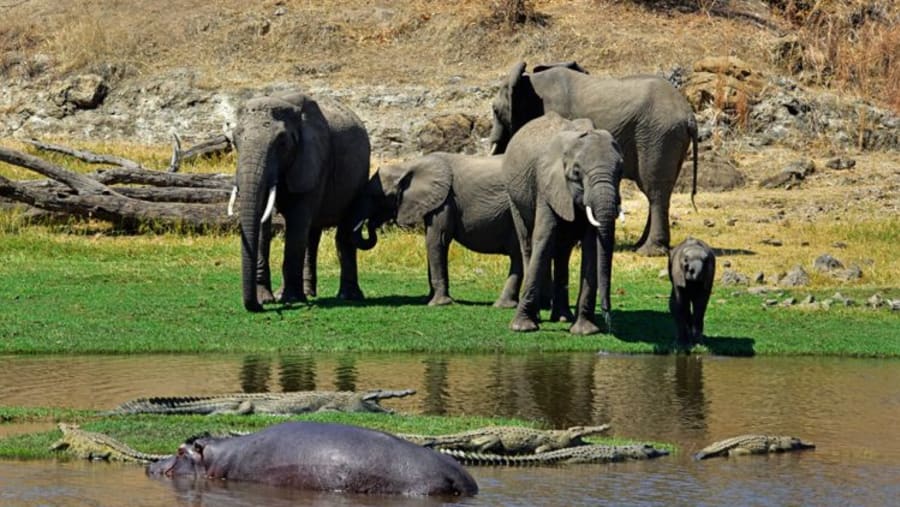
Walking safaris prioritize interpretation over dramatic close wildlife encounters. You are more likely to have a quiet, prolonged encounter with a herd of giraffes or a group of elephants feeding in the acacia woodland than a heart-pounding lion sighting. But when moments of proximity with large wildlife do occur on foot — and they do — they are unlike anything else in the safari experience.
Walking safaris are most rewarding in the early morning, from shortly after sunrise until approximately 10:00 AM. Animal activity is highest in the cool morning hours, tracks are fresh from overnight movement, and the light is extraordinary for photography. Afternoon walks (from approximately 4:00 PM) are also excellent, especially for predator activity in the late-day heat.
The most satisfying Tanzania safari experience typically combines the perspectives of both walking and vehicle-based game drives. A morning walk followed by an afternoon game drive gives you both the intimate, interpretive depth of the bush-level experience and the mobility and range of the vehicle. Our Wildlife Safari Experience can be tailored to incorporate walking safari components for travelers who want this combination.
Walking is the original way to experience Africa's wilderness, and Tanzania offers some of the continent's most remarkable walking safari opportunities. Contact Serengeti Wild Tours today to include a walking safari in your Tanzania itinerary and discover Africa at the pace and perspective of its earliest travelers.
Let us help you plan a safari or climb that feels effortless, authentic, and unforgettable.
Call Us
Email Us
Copyright © Serengeti Wild Tours | All Rights Reserved
