Call Us
The Serengeti is not the same park every month. The grass changes, the light changes, the wildlife moves across the landscape in a slow, ancient cycle, and the atmosphere shifts from breathtaking golden dryness to vivid, rain-washed green. Understanding the Serengeti's four distinct seasons is the key to planning a safari that is not just good — but perfectly matched to what you want to see and experience.
This guide breaks down the Serengeti across its full annual cycle so you can match your travel dates to the wildlife events, weather conditions, and safari atmosphere that matter most to you. At Serengeti Wild Tours, we design every Tanzania Lodge Safari around the seasonal calendar, ensuring you are always in the right place at the right time.
The Serengeti ecosystem is governed by rainfall. Two rainy seasons — the long rains (April–May) and the short rains (November) — and two dry seasons — the short dry spell (January–March) and the long dry season (June–October) — create four distinct seasonal experiences. The Great Wildebeest Migration follows this rainfall calendar in a circular route across the ecosystem, and understanding where the migration is at any given time is central to choosing your ideal travel month.
For a comprehensive month-by-month breakdown of the migration calendar specifically, read our Best Time to Visit Serengeti guide. This article focuses on the broader seasonal experience across the full park.
The first of the Serengeti's four seasons runs from January through March and is characterised by short green grass, warm temperatures, and one of nature's most extraordinary wildlife events: the calving season.
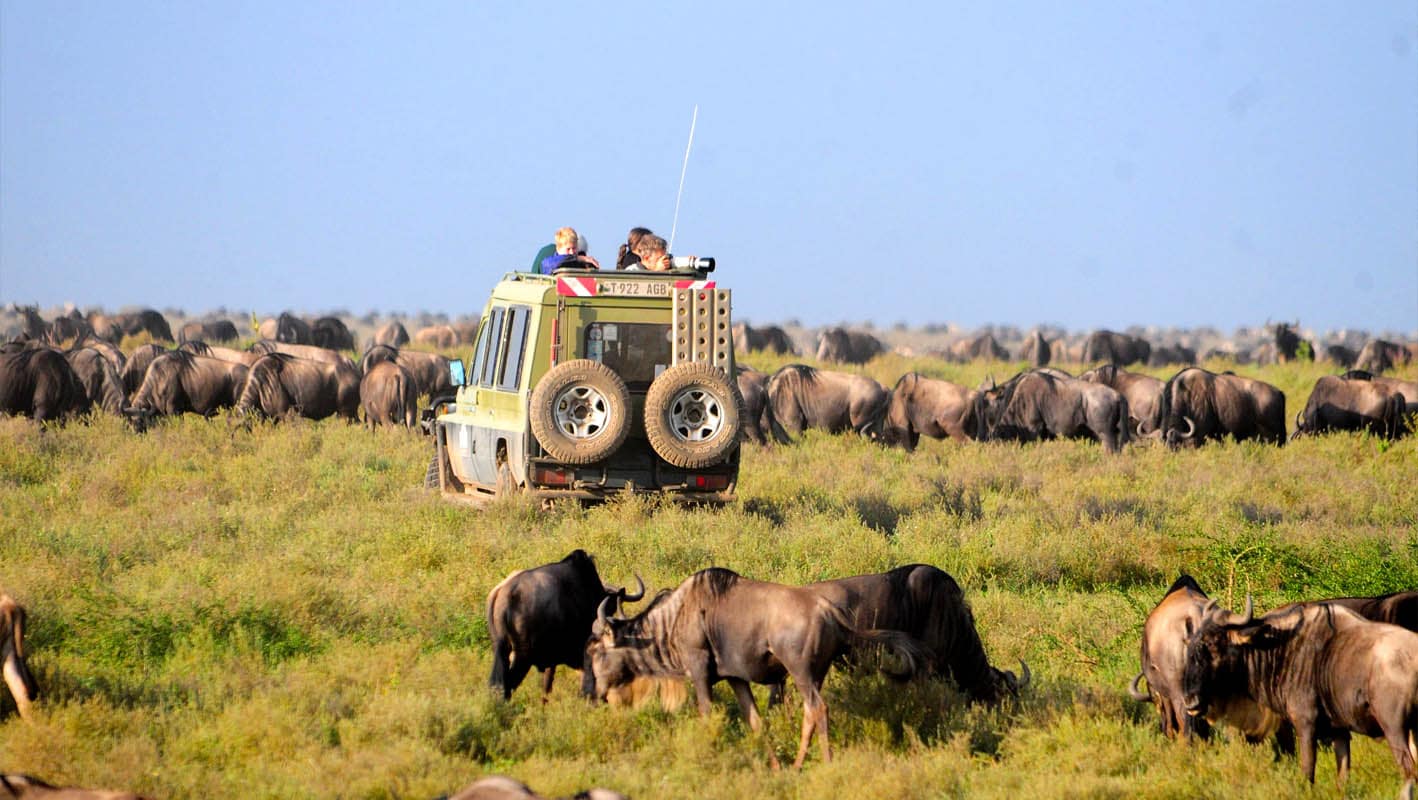
Between late January and February, approximately 500,000 wildebeest calves are born in the Southern Serengeti and Ndutu Conservation Area over a period of just a few weeks. This explosive birth rate is a survival strategy — predators cannot possibly eat all the calves at once, so the majority survive by sheer numbers. The presence of so many newborn calves attracts an extraordinary concentration of predators: lions, cheetahs, leopards, hyenas, and wild dogs all converge on the calving grounds in pursuit of easy meals.
The result is some of the most dramatic and emotionally intense wildlife viewing in Africa. In a single morning game drive, you may witness a cheetah sprint, a lion pride feeding, a hyena clan conflict, and thousands of wildebeest with tiny newborn calves stumbling through the golden grass. It is a wildlife experience that rarely fails to move even the most seasoned safari traveler.
Our Great Migration Experience during the calving season positions you perfectly in the Southern Serengeti and Ndutu for the most dramatic predator-prey encounters.
January opens the calving season in earnest. The herds are gathered in vast concentrations on the Ndutu plains and Southern Serengeti, the grass is green and short (excellent visibility), and predator activity is exceptional. Weather is warm with occasional brief afternoon showers. Crowd levels are relatively low compared to July–September peak season, and accommodation rates are often more competitive. January is an exceptional month for our Photographic Safari Experience — the green plains, dramatic predator action, and golden afternoon light create extraordinary images.
February is arguably the single best month to visit the Serengeti for concentrated, dramatic wildlife action. Calving is at its absolute peak, predator density is extraordinary, and the weather is reliably warm and pleasant. Cheetah sightings in February on the Ndutu plains are among the finest in East Africa. February also marks one of the lowest crowd levels of the safari year — relatively few travelers know that calving season rivals the famous river crossing season for pure drama.
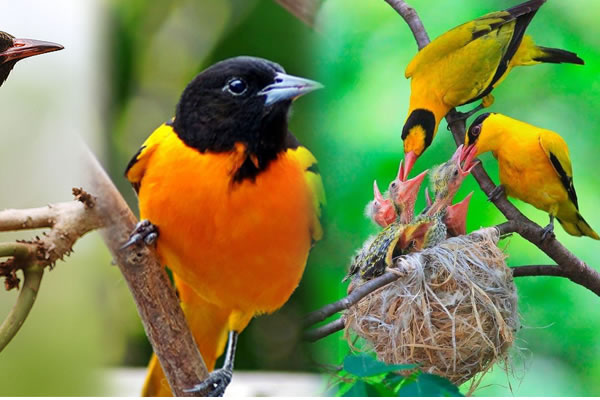
March is a transitional month. The first half retains excellent calving season wildlife activity, while the second half begins the gradual shift into the long rains as the herds start their northward movement. March is excellent for birdwatching — migratory species are departing or arriving, and resident birds display stunning breeding plumage. March also offers some of the best safari value of the year, with solid wildlife and softening accommodation rates ahead of the low season.
April and May bring the long rains to the Serengeti — heavy afternoon showers, occasionally full-day rainfall, and transformed green landscapes. This is the Serengeti's true low season, when many camps close or reduce operations and the majority of safari travelers are elsewhere.
The low season Serengeti has a quality that the busy season cannot offer: solitude. On a April or May game drive, you may have an entire lion sighting to yourself — no other vehicles, no radio chatter from other guides, just you, your guide, and the lions. The Serengeti feels vast and wild and truly your own.
The landscape in April and May is also extraordinarily beautiful. The plains are electric green, dramatic storm clouds build on the horizon, and the quality of light after a shower — soft, warm, and luminous — is genuinely magical for photography. Accommodation rates drop significantly, making April and May the best-value months of the Serengeti year.
The wildebeest herds are moving through the central and western Serengeti during this period, so game viewing remains strong despite the rain. Our Tanzania Budget Safari packages during the green season offer extraordinary value for travelers with flexible schedules.
April is the wettest month in the Serengeti. Expect heavy afternoon showers and occasional all-day rain, particularly in the second half of the month. Roads in low-lying areas can become challenging. The landscape is lush and dramatically beautiful, with thunderstorms building over the plains each afternoon. Wildlife is abundant and completely undisturbed — if you can handle the rain, April rewards patience and flexibility with extraordinary experiences.
May is similar to April in terms of rainfall, though slightly drier toward the end of the month. The wildebeest herds are moving through the western Serengeti corridor during May — one of the less-visited but remarkably beautiful sections of the park. May is considered the deepest low season, but for adventurous, budget-conscious travelers, it delivers exceptional value and genuine wilderness solitude.
The long dry season is the Serengeti's most famous season — and for very good reason. From June through October, clear skies, short golden grass, and the spectacular concentration of wildlife around permanent water sources create the classic, iconic safari experience that defines the Serengeti in the popular imagination.
This is also the season of the Mara River crossings — when the Great Migration herds arrive in the Northern Serengeti and throw themselves across the crocodile-filled Mara River in one of nature's most breathtaking spectacles. Read our dedicated River Crossing Guide for everything you need to know about the crossings.
June marks the dramatic shift from lush green to golden dry. The rains have stopped, vegetation dries rapidly, and animals begin concentrating around permanent water sources. Big cat sightings improve significantly as the short dry-season grass makes predators easier to spot. The migration herds are moving through the central and western Serengeti corridor. June combines good game viewing with relatively lower crowd levels than July–September, making it an excellent value dry season month.
July and August are the peak months for Serengeti safari — and the most popular months globally for Tanzania wildlife travel. The Mara River crossings are in full swing in the Northern Serengeti, drawing massive columns of wildebeest to the riverbanks in one of wildlife television's most iconic scenes. Demand for accommodation and guides is at its highest, and booking 6–12 months in advance is essential for the best properties.
Despite the crowds, the game viewing is world-class. Our Private Great Migration Safari is specifically designed for the July–September crossing season, with flexible scheduling and expert guide positioning at the most active crossing points. A Balloon Safari at sunrise over the migrating herds during this period is one of the most extraordinary wildlife experiences on Earth.
September continues the peak dry season experience, with river crossings still occurring and the Northern Serengeti at its most dramatic. October begins the transition back toward the short rains — cloud formations become dramatic, the first hints of green return to the plains, and crowd levels begin to ease. October is excellent for photography, with warm golden light, dramatic skies, and wildlife still concentrated around diminishing water sources. Many experienced safari travelers consider October the best month to visit — peak wildlife, improving light, and slightly lower prices than July–August.
November brings the Serengeti's short rains — typically lighter and more intermittent than the long rains of April–May. The plains transform from dusty gold to soft, luminous green. The wildebeest herds begin their return journey south from the northern Serengeti toward the Ndutu plains, and birdlife explodes as migratory species arrive from Europe and Asia.
November is one of the Serengeti's most beautiful months — green grass dotted with wildflowers, dramatic skies with moody clouds and rainbows, and showers that are usually brief enough to leave the afternoons clear and beautiful. Game viewing remains excellent, and crowd levels are significantly lower than the July–October peak. Accommodation rates begin to soften, making November an attractive month for value-conscious travelers. The southern migration of wildebeest back toward Ndutu begins, and the circular annual story completes itself.
December is a popular month for safari, particularly for travelers combining the Serengeti with a Zanzibar beach holiday over the festive season. The wildebeest herds arrive back on the Southern Serengeti plains in December, and the cycle begins anew. The park is warm, green, and beautiful, and December has an energy and festivity that suits the season well. It is also an excellent month for our Tanzania Honeymoon Safari packages, combining festive season Serengeti with a romantic Zanzibar Christmas or New Year escape.
To match your priorities to the best season, use this quick guide:
Tanzania safari accommodation is typically priced in three tiers: peak season (July–October, December–January), shoulder season (June, November), and low season (April–May). Premium properties can be booked exclusively during peak season months — if your dream property fills up, consider the adjacent shoulder months for similar wildlife quality at better prices.
Our team at Serengeti Wild Tours stays current with availability across the Serengeti's best properties year-round and will advise you on the best combination of timing and accommodation for your budget and goals. Explore our full range of Wildlife Safari Experiences and contact us to start planning your perfect Serengeti season.
Let us help you plan a safari or climb that feels effortless, authentic, and unforgettable.
Call Us
Email Us
Copyright © Serengeti Wild Tours | All Rights Reserved
