Lemosho
A scenic western approach with forest, Shira Plateau and a gradual route profile. Seven or eight days are common choices.
5,895 metres | Six main trekking routes | Private and joining climbs
Mount Kilimanjaro rises above northern Tanzania to Uhuru Peak, the highest point in Africa. The normal routes are non-technical treks, but altitude, changing weather and summit night make the climb a serious undertaking. Choosing enough acclimatisation time is more important than simply choosing the shortest route.
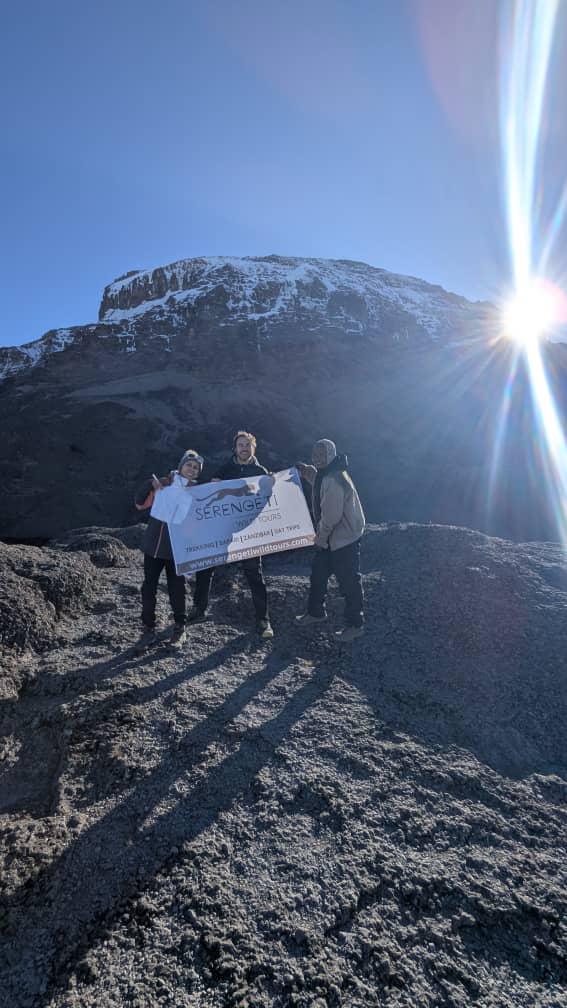
We do not choose a route only because it is famous. We look at your trekking experience, available days, preferred camp style and how your body can adapt gradually. A well-paced climb gives you more time to recover, eat, hydrate and arrive at summit night in better condition.
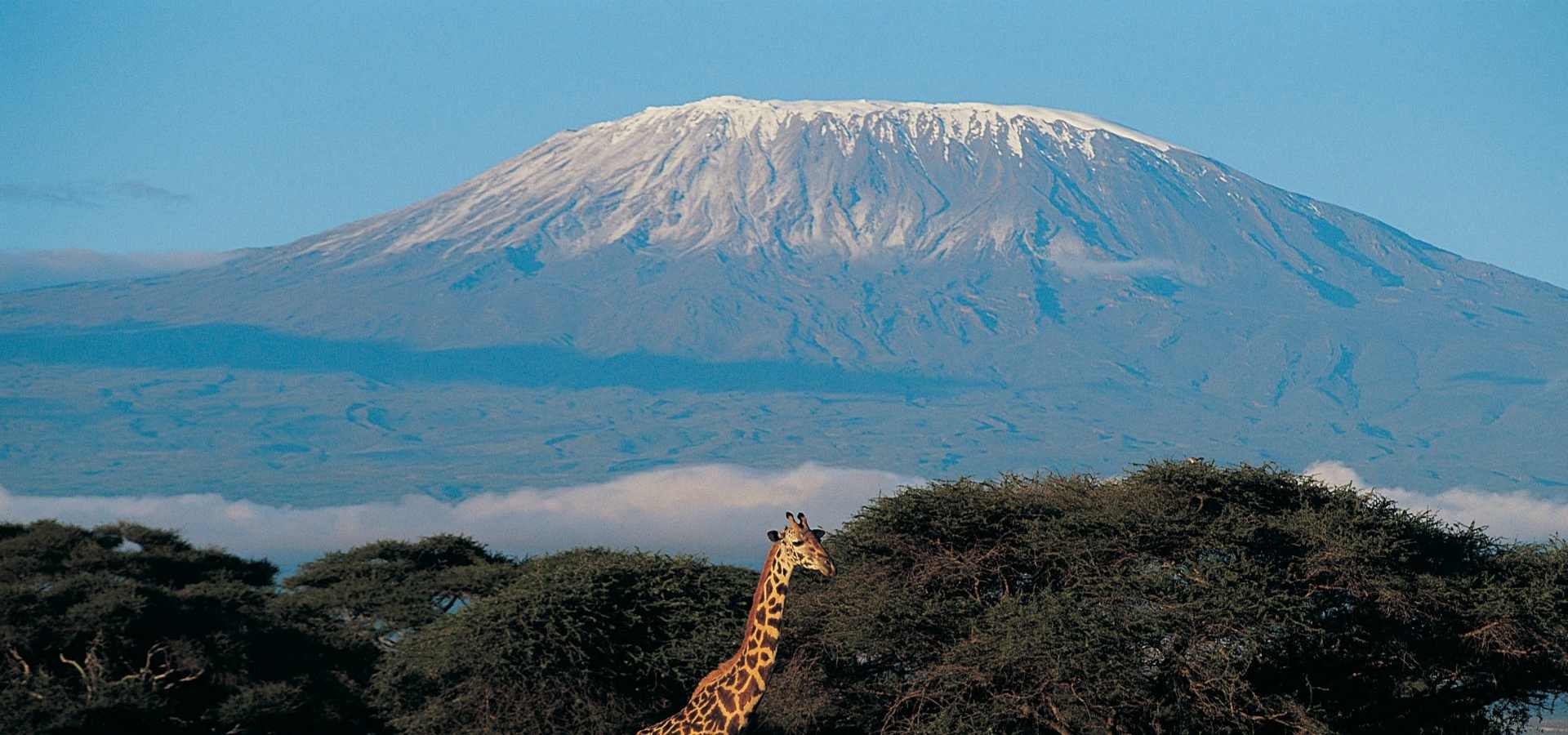
Kilimanjaro is a volcanic massif with Kibo, Mawenzi and Shira. A multi-day trek moves from cultivated foothills and montane forest through heath, moorland and alpine desert to the cold summit zone. The scenery and daily rhythm change significantly between the western, southern, northern and Marangu approaches.
Uhuru Peak: Africa's highest point at 5,895 metres on Kibo.
Shira Plateau: broad high-altitude landscapes reached by Lemosho and Northern Circuit routes.
Mawenzi views: rugged volcanic scenery especially prominent on Rongai and Marangu approaches.
Five vegetation zones: a striking transition from forest to alpine desert and summit ice.
A scenic western approach with forest, Shira Plateau and a gradual route profile. Seven or eight days are common choices.
A varied southern route with camping, the Barranco landscape and a strong climb-high, sleep-low profile.
The longest standard route, circling the quieter northern slopes and allowing generous acclimatisation time.
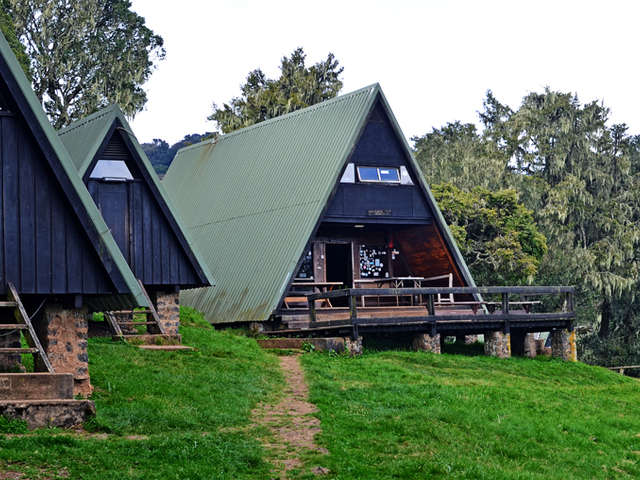
The only main route using huts rather than tents, with ascent and descent following the same general trail.
A northern approach with a quieter early trail and beautiful Mawenzi views before joining the Marangu descent.
A steep, direct approach recommended mainly for experienced trekkers with a suitable acclimatisation plan.
Kosovo sits above the busy Barafu area and can reduce part of the ascent before the summit push. It should be presented as a specially arranged option, not a standard promise on every itinerary. Suitability depends on the route plan, acclimatisation, park arrangements, space and the mountain team's assessment.
It can be useful for strong, well-acclimatised climbers, but sleeping higher is not automatically better for everyone. Our team first considers how you have responded during the earlier days.
TANAPA identifies Crater Camp as a special-permit activity. Sleeping near Kibo's crater is a specialised expedition at extreme altitude, normally considered only after a longer acclimatisation programme. It requires extra porter support, specialised logistics and a conservative safety plan.
The attraction is time near the crater, ash pit and summit ice rather than a faster ascent. It is not suitable for a first-time high-altitude trekker simply looking for the shortest climb.
Compare Lemosho, Machame, Marangu, Rongai, Umbwe and Northern Circuit trek lengths and current joining prices.
View PackagesWalk the forest section of the Marangu route to Mandara Huts without attempting the summit.
View Day HikeConsider a three- or four-day Mount Meru climb as its own mountain experience or before Kilimanjaro.
Explore Mount MeruLemosho and the Northern Circuit give more time for acclimatisation and varied scenery. Machame is popular and scenic, Marangu uses huts, Rongai approaches from the north, and Umbwe is steep and best suited to experienced trekkers.
Kosovo is a higher camp above Barafu that can shorten part of summit night. It is not included on every climb and depends on the itinerary, park arrangements, availability and our mountain team’s assessment.
Crater camping is a specialised high-altitude expedition requiring a special park permit. It is considered only for strongly acclimatised climbers on a suitably paced route, with additional equipment and support.
January to early March and June to October are commonly chosen for drier conditions. The mountain creates its own weather, so climbers should prepare for rain, cold and wind in any month.
The normal trekking routes do not require technical climbing, but summit night is physically demanding. Fitness, acclimatisation, suitable equipment and following the guide’s pace are important.
Tell us your dates, trekking experience, preferred number of days and group size. We will suggest a realistic route and explain whether Kosovo Camp or a specialised crater itinerary is suitable.